Witch Hunts Did Not End in Salem
They are very much still alive elsewhere in the world — and a 75-year-old woman just paid for one with her life.
When most people hear the words “witch hunt,” their minds drift to Salem, Massachusetts — to 1692, to buckled shoes and black hats, to something safely locked behind museum glass. It is a comforting story precisely because it feels finished. But the hunt never ended. It just moved. And in the places it moved to, the accused are still very real, still mostly women, and still being killed.
What Happened in Zadungeni
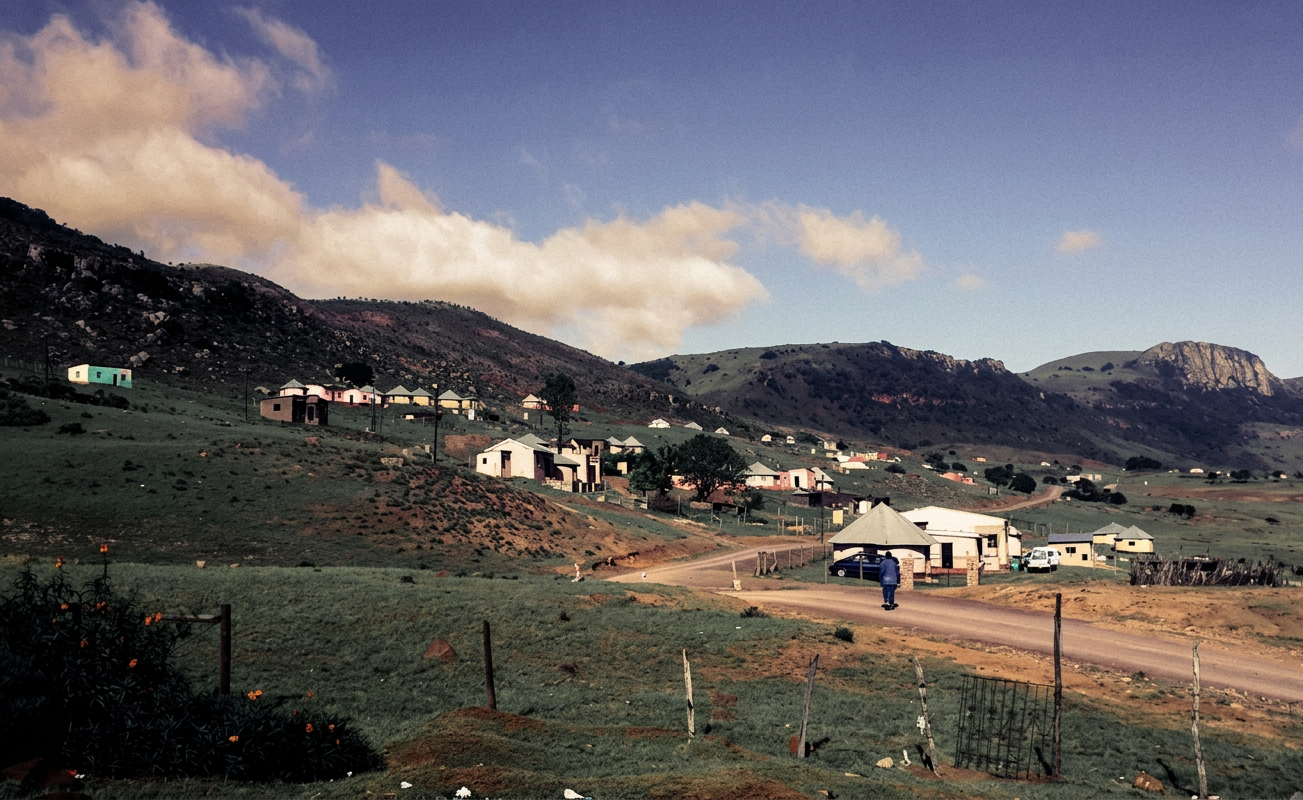
Her name was Nokhansala Sidiki. She was 75 years old, and she lived in the village of Zadungeni, in the Luthuthu locality near Ngcobo, in South Africa’s Eastern Cape. On Sunday, May 17, 2026, she was dragged from her home.
The people accused of dragging her were not strangers. According to police, they were her own family members. They took her to a nearby stream. They beat her with a wooden plank. Then they drowned her. Her body was found with severe injuries to the head and face and strangulation marks around her neck.
The accusation against her was witchcraft.
The Case at a Glance
- Victim
- Nokhansala Sidiki, 75
- Where
- Zadungeni village, near Ngcobo, Eastern Cape, South Africa
- When
- Sunday, May 17, 2026
- Accusation
- Witchcraft
- How
- Beaten with a wooden plank, then drowned in a stream
- Arrests
- Four women, aged 26 to 35, taken into custody
- Court
- Ngcobo Magistrate’s Court
By the end of that week, four women had been arrested in connection with her killing — the first two, aged 26 and 28, on Monday, May 19; two more, aged 28 and 35, that Wednesday. They were brought before the Ngcobo Magistrate’s Court and remanded into custody.
“This is a savage and deeply disturbing attack on a vulnerable elderly woman.”
— Lt-Gen Vuyisile Ncata, Eastern Cape Provincial Police Commissioner
The commissioner went further than condemnation. “I call on community leaders to help us uproot this dangerous mentality,” he said. “If you know something, speak out; silence makes you complicit.” That word — mentality — matters. Because Nokhansala’s death was not a freak event. It was the local expression of something enormous and old.
Witch Hunts Are Not a Relic. They’re a Pattern.
South Africa has grappled with witchcraft-related violence for decades, enough that its own Law Reform Commission has studied the problem and the country still carries an apartheid-era Witchcraft Suppression Act on its books. But this is not a South African quirk. In 2021, the United Nations Human Rights Council adopted its first-ever resolution condemning harmful practices tied to witchcraft accusations and ritual attacks — a document that would make no sense at all if this were history.
The UN’s own findings have repeatedly flagged the same grim shape: the accused are overwhelmingly women, and disproportionately older women. In Ghana, women labeled witches have spent their final years exiled to so-called witch camps, a practice Amnesty International continues to document. From Papua New Guinea to Tanzania to India, the accusation travels under different words but lands on the same kind of person.
The hunt did not need Salem. It needed a scapegoat and a reason.
Why It’s Almost Always Her
Here is the part worth sitting with. Look closely and a formula emerges, one that researchers who study gendered witchcraft violence keep circling back to. Anywhere that superstition meets economic precarity, some woman is going to be accused.
The accusation is rarely really about magic. A crop fails. A child sickens. A death arrives without an explanation the community can bear. Someone needs the misfortune to have an author — and the cheapest author available is almost always an older woman who lives alone, who has no one to defend her, who may be sitting on the one thing others want: land, a house, a small inheritance. She is not chosen because she is powerful. She is chosen because she is unprotected. The label does the rest, converting a vulnerable neighbor into a threat that a mob can feel righteous about destroying.
That is why the same story keeps appearing in wildly different corners of the world. It is not a shared belief in spells. It is a shared machinery for turning fear and hardship into violence, and pointing that violence at the people least able to survive it.
When It Comes to Witch Hunts, Keep This in Mind
Nokhansala Sidiki was 75. She was taken from her own home, by her own family, to a stream a short walk away, and drowned there over an accusation that no evidence on earth could ever support. Four women now sit in custody for it. A police commissioner called it savage. It was. It was also, horribly, ordinary — one more entry in a ledger that stretches from 1692 to this year and shows no sign of closing.
So keep her in mind. And keep the pattern in mind next time you hear accusations flying around your own neck of the woods — whatever form they take, whoever they land on. The instinct to find a witch when times get hard did not die out. It just learned to wear new clothes.
STAY WEIRD, WITCHES. Rest easy, Nokhansala. Want more stuff like this? Check out The Witch Hunt Continues.
Sources
- TimesLIVE — Four women nabbed over murder of Eastern Cape gogo accused of witchcraft
- IOL / The Mercury — Four women arrested in brutal murder of 75-year-old accused of witchcraft
- IOL — Two women arrested for the brutal murder of elderly woman accused of witchcraft
- The Citizen — Alleged witchcraft mob justice claims life of 75-year-old woman
- The Wild Hunt — UN Council adopts resolution condemning witchcraft accusations and ritual attacks
- UN News — Findings flag violence, abuse of older women accused of witchcraft
- Amnesty International — Victims of witchcraft accusations need protection (Ghana)